
Wall Street Analysts Warn AI Boom Is Reshaping the Future of Work
Wall Street analysts are increasingly warning that the rapid expansion of artificial intelligence technologies could reshape the structure of the modern workforce. Financial institutions say AI adoption is accelerating across industries, from finance and healthcare to logistics and manufacturing.
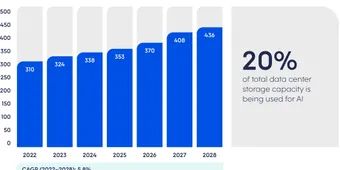
Investment banks report that companies are redirecting billions of dollars toward AI infrastructure and automation platforms. This shift is creating strong demand for advanced computing hardware, specialized software, and large scale data centers.
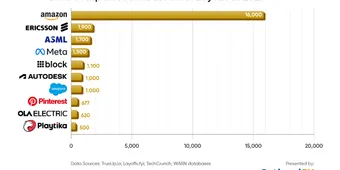
However, analysts also caution that the transformation could lead to short term labor disruptions. Roles involving repetitive digital tasks are expected to face the greatest pressure as AI tools become more capable of handling coding assistance, research tasks, and data analysis.
Economists say the transition is comparable to earlier industrial revolutions driven by computers and the internet. In those periods, automation eliminated certain categories of work but also produced entirely new industries and employment opportunities.
Financial markets have responded positively to the AI boom. Shares of companies involved in semiconductor manufacturing, cloud infrastructure, and AI development have seen strong demand from investors seeking exposure to the emerging technology trend.
Corporate leaders argue that AI will ultimately enhance productivity and allow employees to focus on higher value tasks. Many organizations are already introducing training programs designed to help workers adapt to AI supported workplaces.
Some economists believe the long term benefits could outweigh the challenges if businesses invest in education and workforce development. The key factor, they say, will be how quickly workers can acquire the skills required to participate in the evolving digital economy.
For investors and policymakers alike, the rise of artificial intelligence represents both an economic opportunity and a structural shift that may redefine the future of work.