
U.S. Cities Invest in Public Infrastructure to Improve Community Life
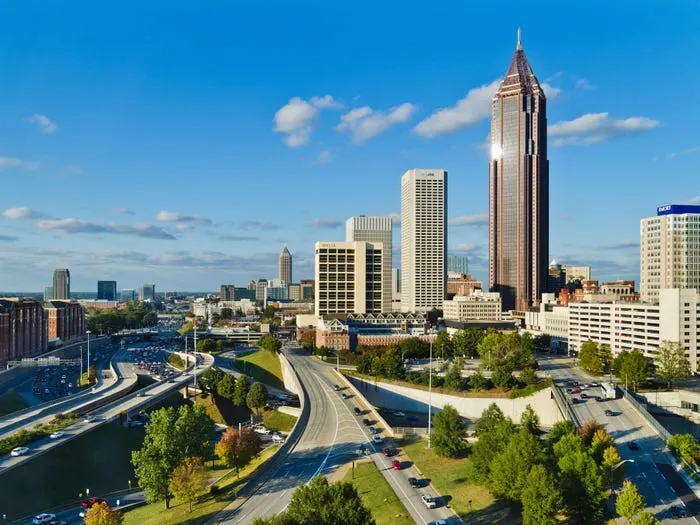
Cities across the United States are increasing investments in public infrastructure projects aimed at improving transportation, housing, and community services.
Local governments are prioritizing upgrades to roads, transit systems, parks, and public facilities as part of broader efforts to support economic growth and enhance quality of life for residents.
Urban planners say infrastructure improvements can have a significant impact on daily life by reducing commute times, improving safety, and creating new recreational spaces for communities.
Many municipalities are also investing in modernizing aging utilities such as water systems and electrical grids. Officials say these upgrades are essential to ensuring long term reliability as populations continue to grow.
Public transportation expansion has been a key focus for several metropolitan areas. Cities are exploring new rail projects, bus rapid transit networks, and improved pedestrian infrastructure designed to make neighborhoods more accessible.
Community advocates argue that infrastructure spending can also stimulate local economies by creating jobs and encouraging private investment in surrounding areas.
Economists note that infrastructure development often produces long lasting economic benefits, supporting business growth and improving regional competitiveness.
As federal and local funding programs continue to support new projects, urban development experts believe infrastructure investment will remain a central priority for many U.S. communities in the coming years.