

Urban Community Gardens Grow as Cities Promote Sustainable Living
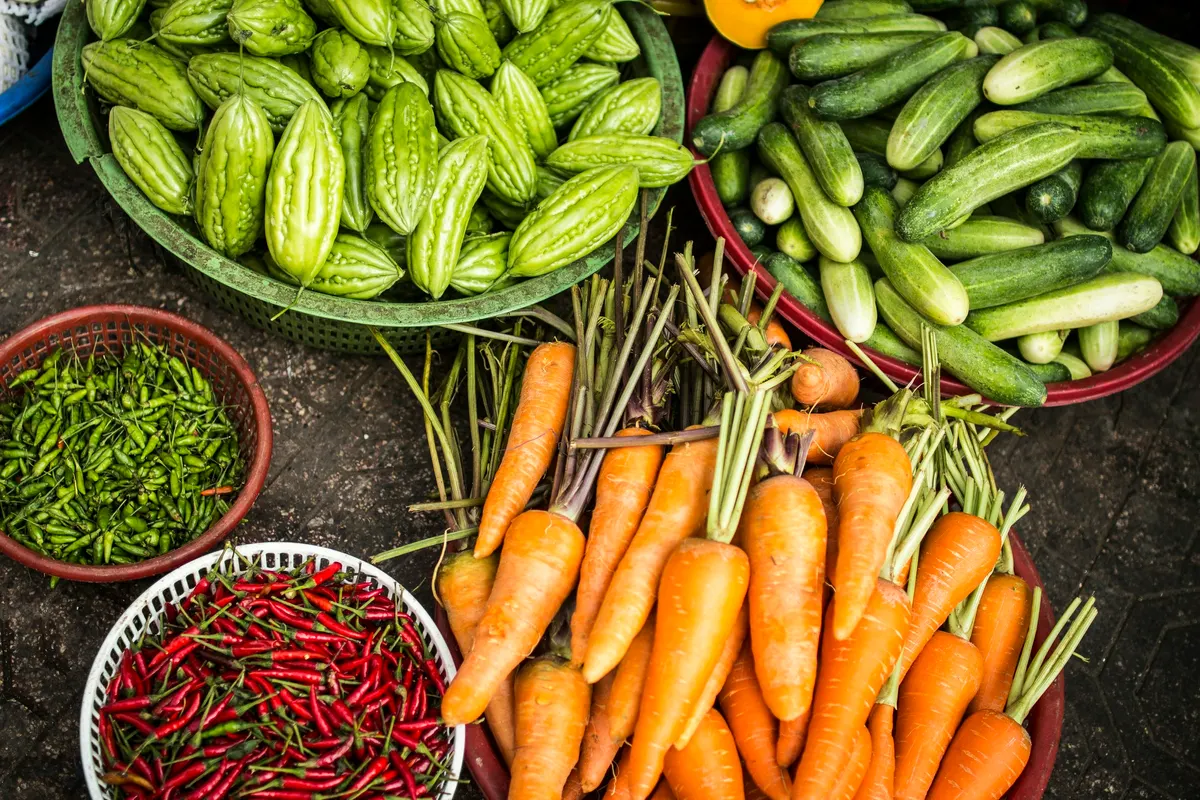
Urban community gardens are expanding across cities in the United States as residents and local organizations promote sustainable living and healthier neighborhoods. These gardens transform unused land into spaces where communities can grow fresh produce and build social connections.
Community leaders say the gardens offer multiple benefits, including improved access to nutritious food and stronger neighborhood collaboration. Volunteers often work together to plant vegetables, maintain garden spaces, and distribute harvests to local residents.
Urban agriculture initiatives have gained popularity in recent years as cities explore ways to address food access challenges and encourage environmentally friendly practices.
Many municipal governments support the projects by providing small grants, land access, or gardening equipment. In some areas, nonprofit organizations also offer training programs that teach residents how to cultivate crops and manage sustainable gardens.
Supporters say the gardens help create greener environments while encouraging residents to participate in community activities. Public spaces that once remained unused are now becoming productive and educational hubs.
Environmental experts note that community gardens can contribute to improved urban ecosystems by increasing vegetation and supporting pollinators such as bees and butterflies.
Educational programs connected to these gardens often involve schools and youth groups, teaching younger generations about nutrition, agriculture, and environmental responsibility.
Participants say the experience fosters cooperation and a sense of shared responsibility within neighborhoods.
As interest in sustainable living continues to grow, community gardens are expected to remain an important part of urban development strategies across many American cities.