
Demand for Skilled Workers Remains Strong in U.S. Technology and Engineering Fields
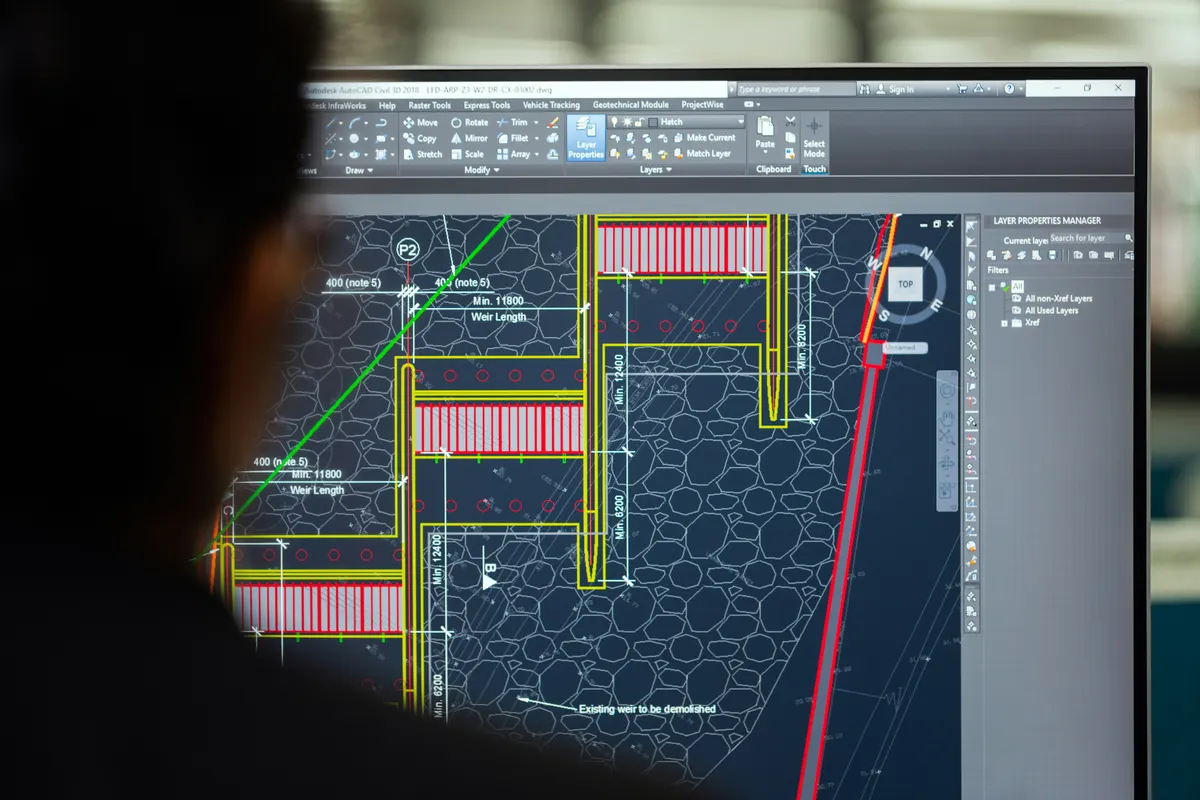
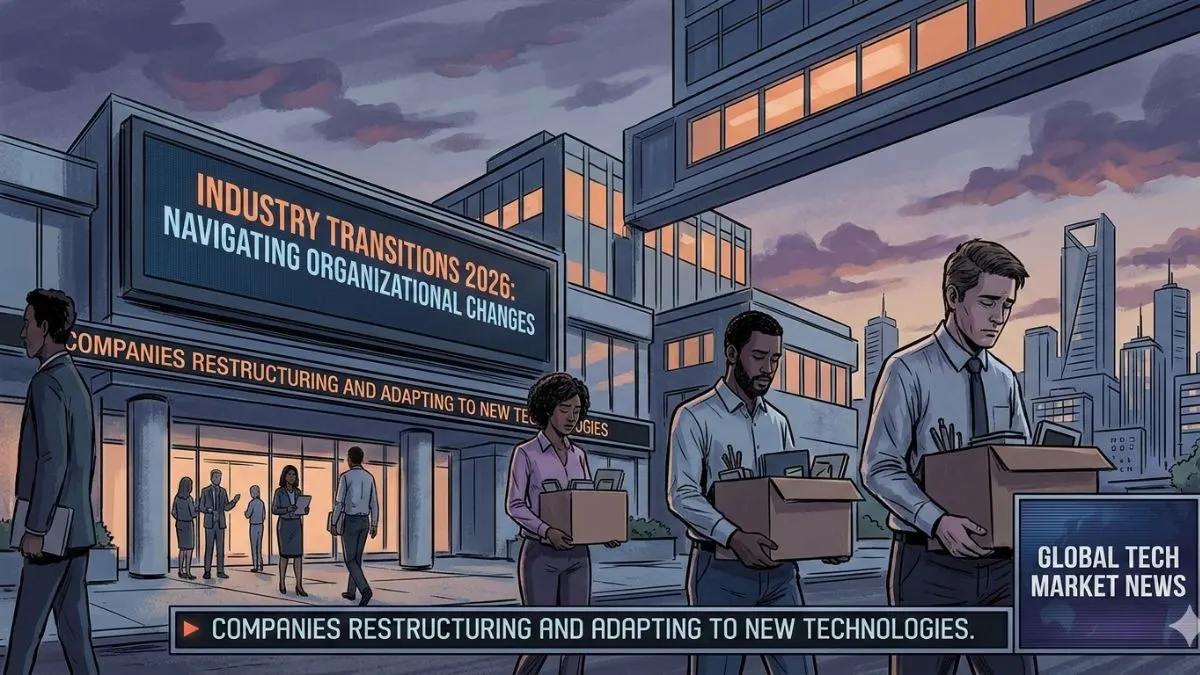
While layoffs in some technology companies have captured headlines, demand for skilled professionals in engineering and advanced technology fields remains strong across much of the U.S. labor market.
Employers in industries such as semiconductor manufacturing, renewable energy, and aerospace continue to report difficulty filling specialized positions requiring advanced technical expertise.
Labor economists say the mismatch between available workers and required skills is becoming one of the defining challenges of the modern American workforce. Many positions require years of training and education, limiting how quickly employers can expand their talent pipelines.
Companies have responded by investing more heavily in workforce development programs. Partnerships between technology firms, universities, and community colleges are becoming increasingly common as organizations attempt to train the next generation of engineers and technicians.
Some employers are also offering expanded benefits packages and career development opportunities to attract skilled workers in competitive fields. Flexible work arrangements and relocation incentives have become more common as companies compete for talent.
Government agencies and educational institutions are also emphasizing the importance of science, technology, engineering, and mathematics education. Programs encouraging students to pursue STEM careers are viewed as a key strategy for strengthening the nation’s long-term workforce capacity.
Analysts note that even as automation and artificial intelligence reshape some roles, many technical professions are likely to remain in high demand. Fields related to infrastructure development, advanced manufacturing, and cybersecurity continue to experience consistent hiring activity.
The evolving labor market highlights both the opportunities and challenges created by rapid technological change.
Experts say the ability to train and retain skilled workers will remain critical for companies seeking to compete in an increasingly technology-driven global economy.
As new industries emerge and existing sectors adopt advanced technologies, workforce development will continue to play a central role in shaping economic growth across the United States.