

FAA Plans Major Hiring Push to Address U.S. Air Traffic Controller Shortage
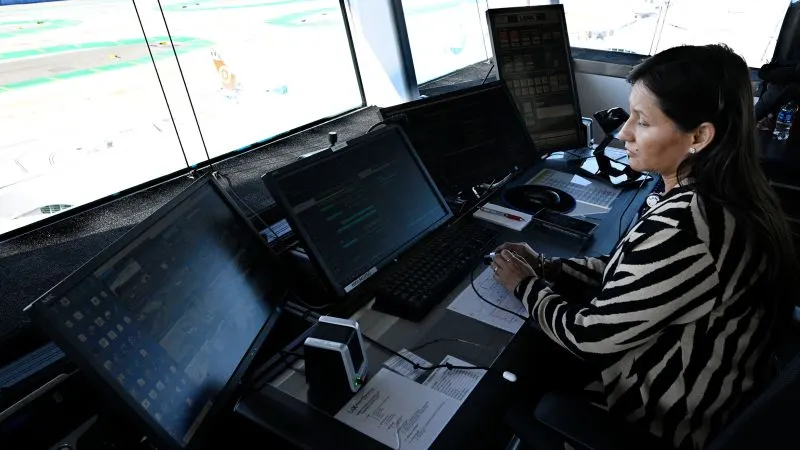
The Federal Aviation Administration (FAA) is proposing a large hiring initiative aimed at addressing a long-standing shortage of air traffic controllers across the United States.
According to aviation officials, the agency plans to recruit roughly 2,300 air traffic controller trainees as part of a broader effort to stabilize staffing levels in the national airspace system. The move comes as the FAA faces increasing pressure to modernize operations while managing rising air travel demand.
Officials say the aviation system currently faces a significant workforce gap. The FAA has acknowledged that it remains thousands of fully certified controllers short of its long-term staffing targets, forcing many existing employees to work extended hours and mandatory overtime.
Air traffic controllers play a critical role in maintaining safe and efficient air travel by coordinating aircraft movements across busy flight corridors and airport runways. Training new controllers is a complex process that can take several years before recruits become fully certified.
The FAA operates a training academy in Oklahoma City where new hires undergo intensive instruction covering radar operations, flight coordination, communication procedures, and emergency response protocols.
Aviation industry groups have welcomed the proposed hiring expansion, saying that strengthening the workforce is essential to maintaining safety and minimizing flight delays as travel demand continues to grow.
Airlines and airports have also urged continued investment in aviation infrastructure and staffing to support long-term growth in passenger traffic. The U.S. air travel market has steadily recovered in recent years, with millions of passengers flying each day across the national network.
The FAA’s hiring plan reflects broader efforts to modernize the country’s aviation system and ensure it can accommodate future growth in commercial flights, cargo transportation, and emerging technologies such as advanced air mobility.
While hiring new controllers will take time, officials say expanding recruitment now is an important step toward building a more resilient air traffic control workforce capable of supporting the next generation of aviation operations.