
AI Boom Continues to Drive Surging Demand for GPUs and Data Center Infrastructure
The global boom in artificial intelligence is putting unprecedented pressure on GPU supply and data center infrastructure, as companies race to build the computing power needed for large AI models.
Industry analysts say demand for high-performance graphics processing units has surged as businesses and research institutions expand machine-learning workloads. GPUs are essential for training and running advanced AI systems, making them one of the most critical components in the technology supply chain.
Recent industry reports show that the market for AI computing hardware remains tight, with persistent shortages affecting availability and pricing. Cloud providers and major technology firms are investing billions of dollars in new data centers to support AI development and deployment.
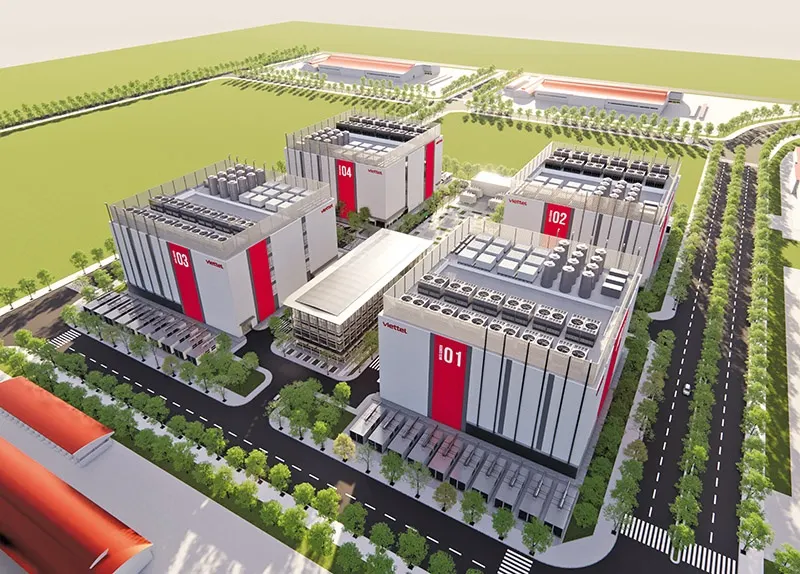
Rising GPU rental prices and infrastructure constraints highlight the scale of demand as companies seek additional computing capacity. These pressures extend beyond chip production to include energy supply, cooling systems, and physical facility space required for large-scale computing clusters.
Technology companies are also exploring new approaches to improve efficiency and reduce reliance on limited hardware. Strategies include developing specialized chips, optimizing software for better performance, and designing more efficient data center architectures.
The surge in AI infrastructure spending is reshaping the broader technology ecosystem. Manufacturers that produce servers, networking equipment, and power systems are experiencing increased demand as hyperscale data centers expand rapidly.
However, experts caution that infrastructure limitations could become a bottleneck for AI growth if supply fails to keep pace with demand. Building new data centers requires large investments and significant energy resources, creating logistical and environmental challenges.
Despite these hurdles, analysts expect AI computing investment to remain strong for the foreseeable future as businesses integrate machine learning into products and services across industries.
The ongoing expansion of AI infrastructure illustrates how technological innovation is increasingly tied to physical resources, from advanced semiconductors to massive energy networks. As companies continue to scale their AI ambitions, the ability to build and manage these complex systems will play a central role in shaping the next phase of the digital economy.