

Xbox Series X Continues Competing in Expanding Console Gaming Market
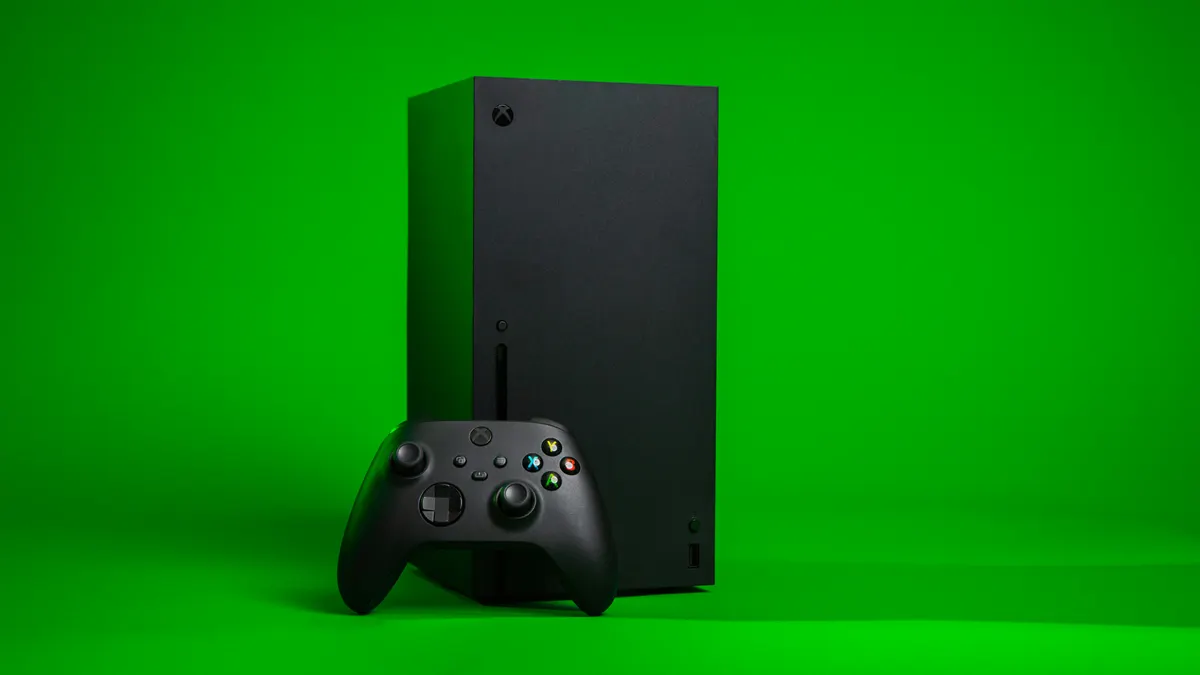
The Xbox Series X remains a central part of Microsoft’s strategy in the rapidly evolving gaming industry. Since its launch, the console has competed directly with other next-generation systems while also supporting the company’s broader push into digital gaming services.
One of the defining features of the Series X is its emphasis on performance. The console was designed to deliver high-resolution graphics and fast loading times through advanced hardware architecture. These technical improvements allow developers to create more immersive gaming experiences.
Microsoft has also positioned the console within a larger ecosystem that includes cloud gaming and subscription services. The company’s Game Pass platform, for example, gives players access to a large library of titles through a monthly membership.
Industry analysts note that subscription models are becoming increasingly important to gaming companies. Instead of relying solely on hardware sales, platforms now generate recurring revenue through digital services and online communities.
Developers continue releasing new titles optimized for the Series X hardware. These games often take advantage of advanced graphics processing and improved frame rates, delivering smoother gameplay.
Another key element of Microsoft’s strategy is backward compatibility. Many older Xbox games remain playable on the Series X, allowing longtime fans to revisit classic titles while exploring newer releases.
Competition in the console market remains intense, with companies investing heavily in exclusive games and platform features. For consumers, this competition often results in improved technology and a wider selection of games.
Looking ahead, the role of consoles like the Xbox Series X may continue evolving as cloud gaming and streaming technologies expand. Even so, powerful hardware remains an important foundation for the gaming experiences players expect.