
U.S. Justice Department Examines NFL Practices in Potential Antitrust Review
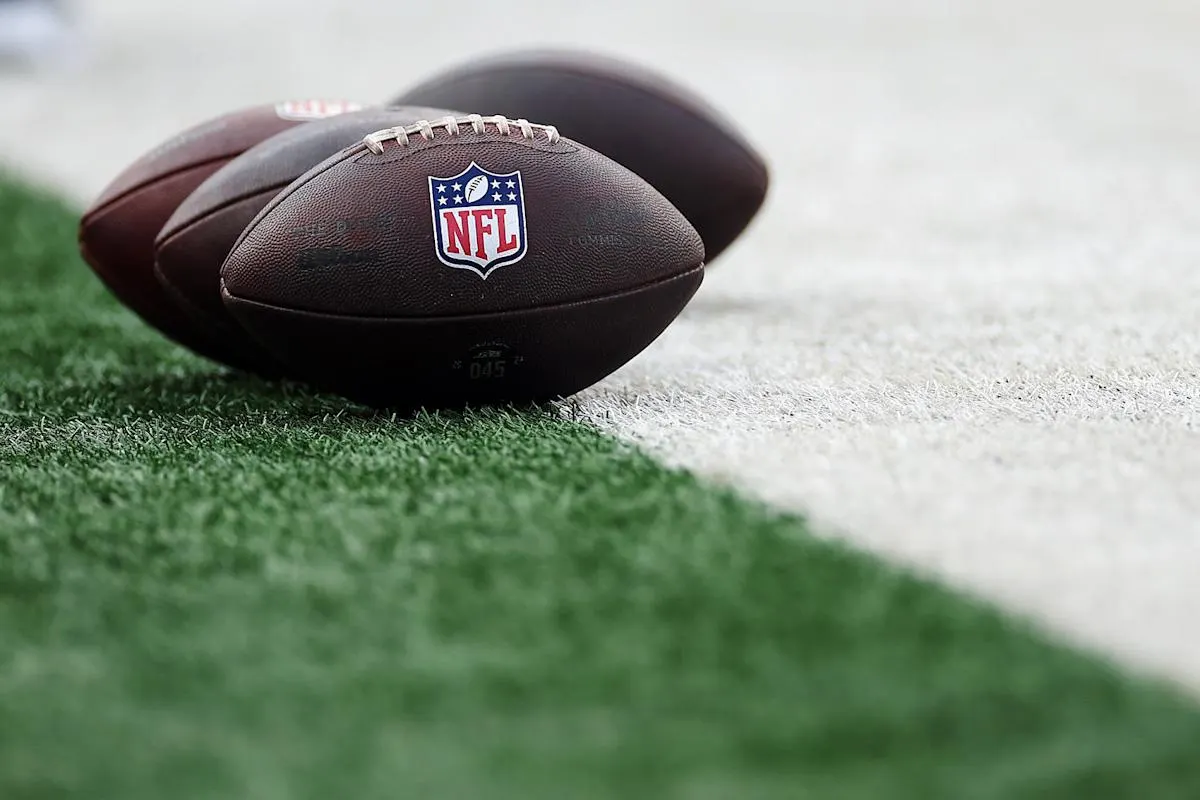
The U.S. Department of Justice is reportedly examining business practices within the National Football League as part of a potential review into whether certain league policies could raise antitrust concerns.
The inquiry reflects broader regulatory scrutiny of major sports leagues and their economic influence. Antitrust law in the United States focuses on ensuring that organizations do not engage in practices that unfairly limit competition or restrict market access.
While the NFL has historically operated under unique legal structures that allow teams to cooperate on broadcasting, scheduling, and commercial activities, regulators periodically review whether those arrangements remain consistent with competition laws.
Industry analysts note that professional sports leagues often balance collaboration with competition. Teams operate as independent franchises while collectively negotiating broadcasting rights, sponsorship agreements, and licensing deals.
The NFL remains one of the most powerful sports organizations in the world, generating billions of dollars annually through television contracts, digital media partnerships, ticket sales, and merchandising. Any regulatory review involving the league typically draws close attention from investors, media companies, and sports business analysts.
Legal experts say investigations of this type can take months or even years before authorities determine whether formal enforcement action is necessary. In many cases, regulators simply seek additional information about league policies and governance structures.
The NFL has consistently stated that its policies comply with federal law and support competitive balance among teams. League officials often argue that certain cooperative structures are necessary to maintain the viability of professional sports competitions.
As the Justice Department continues reviewing available information, analysts expect ongoing discussion about how antitrust principles apply to modern sports leagues. The outcome could shape future conversations about competition, broadcasting rights, and league governance.