

Urban Green Spaces Become Priority for Healthier U.S. Communities
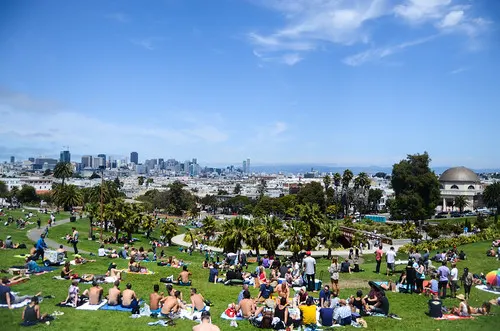
City planners across the United States are increasingly prioritizing the development of urban green spaces as part of broader strategies to improve community well being.
Parks, walking trails, and public gardens provide residents with opportunities for outdoor recreation while also contributing to environmental sustainability.
Health experts say access to green spaces can have positive effects on physical and mental health by encouraging exercise and reducing stress.
Many cities are converting unused land into parks or community gardens that provide residents with safe gathering places.
Urban green spaces also help reduce pollution and improve air quality by introducing more vegetation into dense city environments.
Local governments are collaborating with nonprofit organizations and community groups to fund and maintain these projects.
Researchers note that well designed parks can strengthen neighborhoods by creating shared spaces where residents interact and build social connections.
As urban populations grow, planners believe green infrastructure will remain an important component of sustainable city development.